A complete blood count does not include vitamin levels. It analyses blood cells only — red blood cells, white blood cells, platelets and their subtypes. Vitamin D, B12, ferritin and hormones are separate tests that must be specifically requested. For high performers this matters: if you get a blood panel, hear "everything normal," and stop there — you may have had the wrong questions answered.
A client — an entrepreneur and recreational athlete — came to me with a clear story: regular training, seven hours of sleep, reasonable diet. And yet: months of feeling like he was operating through fog. His doctor had checked his blood work and told him everything was fine. All values within the normal range.
The problem wasn't what the lab had measured. The problem was what hadn't been measured at all. Ferritin: not ordered. Vitamin D: not ordered. Thyroid hormones: not ordered. The blood count had no abnormal values — because the critical questions had never been asked.
This is not an isolated case. It's a systemic one. And it starts with most people not knowing what a blood panel actually measures — and what it doesn't.
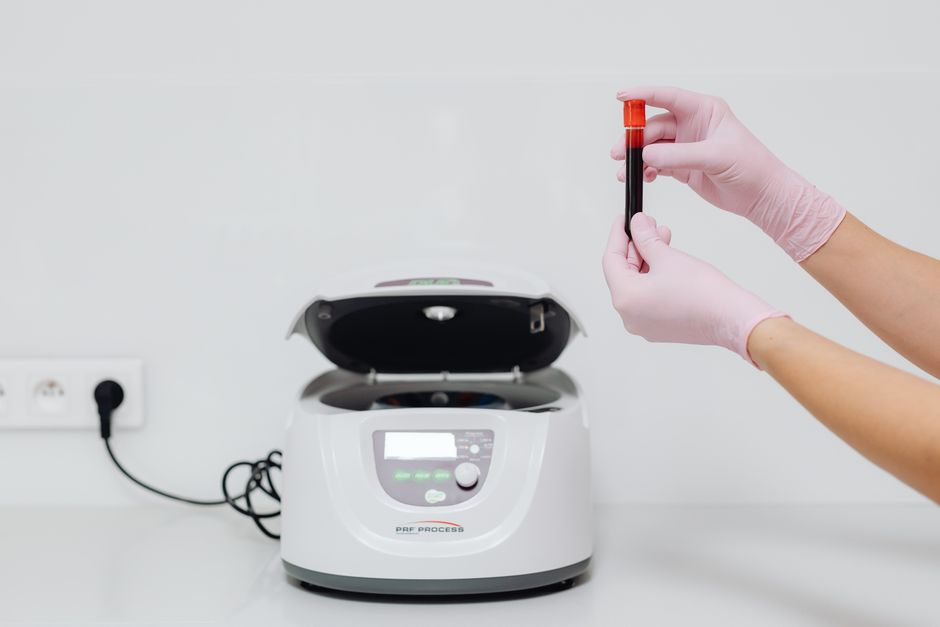
What a blood panel actually measures
A blood count — whether basic or complete — is an analysis of blood cells. Nothing more, nothing less. That sounds trivial, but it has far-reaching implications for what you can actually read from the results.
A basic blood count (CBC) gives you the core values: red blood cells (erythrocytes), white blood cells (leukocytes), platelets (thrombocytes), haemoglobin, haematocrit, and the red cell indices MCV, MCH and MCHC. This is enough to detect anaemia and broad signs of infection.
A full differential blood count extends this by breaking down the white blood cells by type: neutrophils, lymphocytes, monocytes, eosinophils, basophils. This matters for distinguishing bacterial from viral infections, evaluating immune responses, and identifying certain blood disorders.
What a blood count does well: detecting anaemia, acute infections, inflammatory changes through elevated white cell counts, and red flags for leukaemia or haematological disease.
What it doesn't detect — and this is the critical part.
What's missing — the most common confusion

"I've had so many blood tests — but nobody ever explained it to me like this." I hear this regularly. What's striking: these people didn't have the wrong results. They had the wrong tests.
The following values are not included in a standard blood panel — and won't be measured unless specifically requested:
Vitamin D (25-OH-D3). Missing from almost every standard lab. Vitamin D isn't a classic vitamin — it's a steroid hormone that influences muscle strength, immune function, mood and sleep quality. A deficiency doesn't show up in a blood count. It requires a separate test.
Ferritin. This is the iron storage marker — not the same as haemoglobin. Haemoglobin can still be normal while ferritin has already dropped low enough to cause fatigue, cold sensitivity and reduced performance. Particularly common in endurance athletes and women — but not exclusively.
Vitamin B12 and folate. A deficiency may show up indirectly via an elevated MCV value — but is never directly measured in a standard panel. Subclinical B12 deficiency, causing neurological symptoms and exhaustion, is invisible in a standard blood count for months or years before it shows structurally.
Thyroid hormones (TSH, fT3, fT4). A mildly underactive thyroid causes fatigue, slowed recovery and disrupted weight management — long before TSH falls outside the reference range. Without fT3 and fT4, the picture is incomplete: TSH alone doesn't show whether the hormones are actually reaching the cells.
Inflammatory markers: hsCRP and homocysteine. High-sensitivity CRP (hsCRP) measures low-grade chronic inflammation — one of the strongest predictors of cardiovascular risk and accelerated ageing. Homocysteine is a methylation marker: elevated levels are associated with cardiovascular risk, reduced cognitive performance, and suboptimal B-vitamin status (Stampfer et al., New England Journal of Medicine). Neither is part of a standard panel.
Sex hormones (testosterone, oestrogen, DHEA). For men over 35, free and total testosterone is a key indicator of energy levels, body composition and performance capacity. Also absent from the standard panel, and almost never automatically requested.
Normal range versus optimal — a difference with consequences
Even when all the above values are measured, the biggest problem remains: interpretation. Specifically — the reference range.
A lab reference range is calculated statistically: measure a large mixed population — sick and healthy, young and old, active and sedentary — and define "normal" as the range containing 95% of that group. This means: the reference range describes the middle of the mass. Not the optimum.
Concrete example — vitamin D: many labs set their lower limit at 20 ng/ml. Above that, you're "not deficient." But research — including the work of Michael Holick (Boston University School of Medicine), one of the world's leading vitamin D researchers — shows that optimal muscle function, immune response and bone density require levels between 50 and 70 ng/ml. At 22 ng/ml you're within the normal range. You are not, however, anywhere near what your body is capable of on.
The same logic applies to ferritin: the lower reference limit is 12 µg/l for women and 30 µg/l for men in most labs. Research shows that ferritin below 30 µg/l already causes measurable fatigue — and for endurance athletes, optimal performance levels sit at 80–120 µg/l. The doctor says normal. The body says something else.
This is not a criticism of medicine. The healthcare system is designed for disease detection — not performance optimisation. The reference range protects against false diagnoses. It was never built to tell you where you're leaving potential on the table.
Which values high performers actually need
An extended panel that makes sense for a performance-oriented person goes well beyond the standard blood count. These are the values I find most consistently decisive in my work with entrepreneurs, executives and athletes:
The most underestimated hormone in the performance context. Influences over 200 bodily functions, including muscle strength, inflammation regulation and sleep quality. In northern latitudes — Austria, Germany, Switzerland — European studies show up to 40% of the population have a clinically relevant deficiency, especially in winter months.
Optimal: 50–70 ng/ml (125–175 nmol/l)Ferritin is the iron storage marker — not haemoglobin. Haemoglobin can still be within range while ferritin is already depleted. Classic low-ferritin symptoms: cold sensitivity, difficulty concentrating, reduced endurance capacity, hair loss. Particularly frequent in women and endurance athletes of all genders.
Optimal for athletes: 80–120 µg/lB12 deficiency develops slowly — months or years before it becomes visible as an elevated MCV in a blood count. Neurological symptoms like tingling, mood changes and exhaustion can appear much earlier. Especially relevant for people under high stress and those taking metformin or proton pump inhibitors.
B12 optimal: above 400 pg/ml · Folate: above 10 ng/mlThe thyroid controls basal metabolic rate. A subclinical underfunction — TSH slightly elevated but still within range — causes slower recovery, difficult weight management and persistent fatigue. Without fT3 and fT4, the picture is incomplete: TSH alone doesn't tell you whether the hormones are actually available and active at the cellular level.
TSH optimal: 1–2 mIU/l · fT3: upper third of reference rangehsCRP measures systemic inflammation at low levels — below the classic CRP threshold, but with meaningful impact on long-term disease risk and recovery capacity. Homocysteine is a methylation marker: elevated levels are associated with cardiovascular risk, reduced cognitive function and suboptimal B-vitamin status (Stampfer et al., NEJM).
hsCRP optimal: below 1 mg/l · Homocysteine: below 10 µmol/lFor men over 35, one of the most important values in a performance-focused panel — and one of the least commonly requested. Total testosterone alone says little: 60–70% of testosterone is protein-bound and not biologically active. Free testosterone shows what's actually available. Chronic stress and poor sleep lower both measurably.
Free testosterone: age-dependent — context is everythingWhat you can actually do with a blood result
A blood result is not a checklist. It's a snapshot — a cross-section of your system at a specific point in time. And it only becomes genuinely useful when you understand which values are connected to each other.
One example: low ferritin can impair thyroid function — iron is required for the conversion of T4 to T3. Treating only the thyroid while ignoring ferritin turns the wrong dial. Supplementing iron without understanding the root cause of the depletion doesn't solve the problem durably. The system decides — not the single value.
What this means in practice:
Trends beat single measurements. A vitamin D value of 38 ng/ml means something different measured in summer versus February. A ferritin of 45 µg/l reads differently for someone in peak training versus someone returning from three weeks off. Context is everything.
Always fasted, always at the same time of day. Many values — especially cortisol, testosterone and glucose — fluctuate significantly throughout the day. Testing at 8am fasted one time and at 11am after coffee the next time means comparing different things.
Result plus symptoms plus context. The result alone is not enough. What is the person behind the numbers doing — what's the load, the sleep, the nutrition? I've seen clients whose values barely moved between panels, yet whose performance had changed dramatically. Sometimes the answer is in the panel. Sometimes it isn't. Anyone can read a blood count. Understanding what it means — that's the other question.
If you're looking for a comprehensive diagnostic approach that goes beyond standard lab work, the Blueprint framework provides exactly that: blood work, movement analysis and lifestyle as a connected system — not separate checklists.
Does a complete blood count include vitamin levels?
No. A complete blood count (CBC) only analyses blood cells — red blood cells, white blood cells, platelets and their subgroups. Vitamin values such as vitamin D, B12 or folate are separate lab tests that must be specifically requested. A B12 or folate deficiency may show up indirectly via an elevated MCV value — but is never directly measured in a standard CBC.
What is the difference between a basic and a full blood count?
A basic CBC covers: red blood cells, white blood cells, platelets, haemoglobin, haematocrit and red cell indices (MCV, MCH, MCHC). A full differential blood count additionally breaks down the white blood cells by type: neutrophils, lymphocytes, monocytes, eosinophils, basophils. This is clinically relevant for distinguishing between bacterial and viral infections, immune responses and certain blood disorders.
Which blood values should I have tested in addition to a standard panel?
For high performers, these values are most relevant and not included in a standard blood panel: Vitamin D (25-OH-D3), ferritin (iron stores), vitamin B12, folate, hsCRP (silent inflammation), homocysteine, TSH and free thyroid hormones (fT3, fT4). For men over 35, add total testosterone and free testosterone.
What does "within normal range" actually mean on a blood test?
The reference range is a statistical interval calculated from a mixed population — sick and healthy, young and old, active and sedentary. It describes the middle of the mass, not the optimum. A vitamin D value of 22 ng/ml falls within the normal range of most labs. For an active, performance-focused person, the optimal range is 50–70 ng/ml — almost three times higher.
Why am I tired even though all my blood values are normal?
Because "all values normal" often means the wrong values were tested. Ferritin below 30 µg/l causes measurable fatigue — even when haemoglobin is still normal. Low vitamin D, subclinical hypothyroidism or chronically elevated cortisol all cause exhaustion without showing up in a standard blood count. The answer is usually not in the panel itself — but in what wasn't measured.
How often should you have a full blood count done?
It depends on your goal. For general health screening, most plans cover a basic panel every one to three years. For performance optimisation, a more comprehensive analysis once or twice per year makes sense — ideally at the same time of year, same time of day, and always fasted, so results remain comparable over time.
Scientific Sources
- Holick MF. Vitamin D Deficiency. New England Journal of Medicine. 2007;357(3):266–281. — Reference values for optimal vitamin D status.
- Stampfer MJ, Malinow MR, Willett WC et al. A prospective study of plasma homocyst(e)ine and risk of myocardial infarction in US physicians. JAMA. 1992;268(7):877–881. — Homocysteine and cardiovascular risk.
- Verdon F, Burnand B, Stubi CL et al. Iron supplementation for unexplained fatigue in non-anaemic women: randomised double blind placebo controlled trial. BMJ. 2003;326(7399):1124. — Ferritin, fatigue and performance without anaemia.
- Ridker PM. Clinical Application of C-Reactive Protein for Cardiovascular Disease Detection and Prevention. Circulation. 2003;107(3):363–369. — hsCRP as an inflammatory marker.
- Pilz S, März W, Wellnitz B et al. Association of Vitamin D Deficiency with Heart Failure and Sudden Cardiac Death in a Large Cross-Sectional Study of Patients Referred for Coronary Angiography. Journal of Clinical Endocrinology & Metabolism. 2008;93(10):3927–3935.