On GLP-1 and muscle loss, the question is not whether the medication works. It does. The question is what the lost kilos are made of. A review in The Lancet Diabetes & Endocrinology puts the share of fat-free mass at 25 to 39 per cent of total weight lost, measured over 36 to 72 weeks. The medication regulates appetite, not body composition. The latter is built through strength training, sufficient protein and recovery, alongside the treatment rather than after it.
A few months ago somebody sat across from me who had lost fifteen kilos in half a year. Numbers better, trousers two sizes smaller, doctor pleased. Except the stairs at the office were harder than before, his grip on a suitcase was gone, and in training he was managing loads he had used as a warm-up two years earlier.
That is not an argument against the medication. It is an argument for looking more closely at what a weight loss consists of. The scale shows a number. It does not show whether you gave up fat or muscle.
One thing up front, because it belongs to the stance: I am not a doctor. What follows is an assessment from twenty years of training practice, not a treatment recommendation. Prescription, dosage and suitability are decided by medical professionals, and rightly so. What I can judge is the part that comes afterwards: what happens to a body that loses a lot of weight in a short time, and what can be done about it.
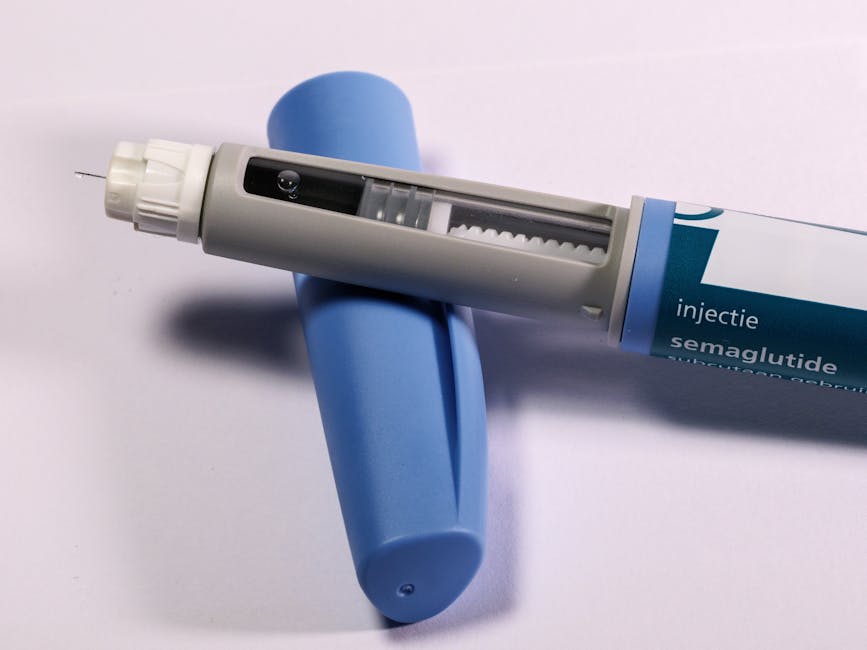
What these medications do in the body
GLP-1 is not a synthetic invention. It is a hormone your own gut releases after eating, glucagon-like peptide 1. It performs several jobs at once, and that combined action is what makes it interesting as a drug.
It stimulates insulin release, but only when blood glucose is elevated. That is why these substances alone rarely cause hypoglycaemia. At the same time it suppresses glucagon, insulin's counterpart. It slows gastric emptying, so food stays in the stomach longer. And it acts on the brain regions that regulate hunger and satiety.
That last point is the decisive one for the weight effect. People on these medications eat less, because appetite drops and fullness arrives sooner. The drug does not burn fat. It changes how much you eat.
Injection and pill, briefly
Two mechanisms are in use as injections. Semaglutide mimics GLP-1, given weekly. Tirzepatide acts dually, binding additionally to the GIP receptor, a second gut-hormone system. In the licensing trials this produces stronger weight effects.
The oral form contains the same active substance in tablet form, but needs an absorption enhancer and a strict intake routine, because peptides are normally broken down in the stomach. Fasted, with little water, followed by a waiting period. I name active substances here deliberately and brand names not. Choosing a specific product belongs in a medical practice, not in a blog article.
What is proven: weight, blood sugar, heart
Fairness belongs here, even from somebody who comes from the training side. For a drug of this kind, the evidence on weight is unusually strong.
In the STEP 1 trial, participants on 2.4 mg semaglutide weekly lost a mean 14.9 per cent of body weight over 68 weeks, against 2.4 per cent on placebo. For tirzepatide, the SURMOUNT-1 figures ranged from 16.0 to 22.5 per cent depending on dose, against 2.4 per cent on placebo. Those are magnitudes rarely reached with lifestyle measures alone from that starting point.

More interesting than the weight are the hard endpoints. In the SELECT trial with 17,604 participants, all with overweight and pre-existing cardiovascular disease but without diabetes, major cardiovascular events occurred in 6.5 per cent on semaglutide against 8.0 per cent on placebo. That corresponds to a hazard ratio of 0.80 over close to 40 months.
There are also signals of kidney benefit in people with type 2 diabetes and kidney disease. That group sits outside the scope here, so it stays a footnote and without figures.
What you must not read into SELECT: that this benefit applies to somebody ten kilos above their target weight and otherwise healthy. The trial was run in people at substantial risk. For the healthy forty-year-old with a slight belly, that evidence does not exist.
The point missing from the marketing
Now to what matters from a longevity perspective and appears in hardly any brochure. Under rapid weight loss the body does not only give up fat.
The review Muscle matters in The Lancet Diabetes & Endocrinology summarises the available data as follows: the decline in fat-free mass accounts for 25 to 39 per cent of total weight lost, measured over 36 to 72 weeks. The authors rate that as considerably higher than with non-pharmacological caloric restriction or normal ageing.
Fat-free mass is not the same as muscle. It also contains water, connective tissue and bone mineral. The point still stands: a relevant share of what the scale no longer shows is not fat.
Why this weighs more at sixty than at thirty
Muscle is not a cosmetic organ. It is the body's largest consumer of glucose, it accounts for a substantial part of resting metabolism, and it determines whether you can still get up off the floor unaided at eighty. Skeletal muscle mass declines from around the age of fifty anyway, year by year. Losing additional muscle through rapid weight loss during that phase simply brings the curve forward.
Bone density belongs here too. Under substantial weight loss the mechanical load on the skeleton drops, and bone responds to missing load by breaking down. For people over fifty that is not cosmetic, it is a fall risk with consequences.
And the counter-argument that belongs in the picture
This is where it gets genuinely uncomfortable, including for my own position. In a widely noted viewpoint in JAMA, Conte, Hall and Klein ask whether muscle mass loss under medically induced weight loss is clinically relevant at all. Their argument: people carrying a lot of body fat have often also built above-average muscle in order to move that mass around. A decline could therefore be partly an adaptation to the new, lower weight. The authors note that studies are still missing on whether preserving muscle justifies the cost and possible side effects of additional therapy.
That position is not unreasonable, and it comes from people who understand body composition. I do not follow it to its conclusion, but it belongs in the article. My counter-argument is a practical one: strength training and adequate protein are cheap, low in side effects and worth doing regardless of the medication. Anyone already doing the right thing never has to settle the question of clinical relevance.
Why managed strength training makes the difference
The medication lowers appetite. It does not tell the body where the missing energy should come from. The body makes that decision itself, and it makes it by usefulness. Muscle that is not being asked for is, from its point of view, expensive ballast.
This is exactly where training acts. A sufficient strength stimulus is the signal that this muscle is needed. Without the signal, it gets broken down. It is no coincidence that the same logic applies to bed rest, spaceflight and long injury layoffs.
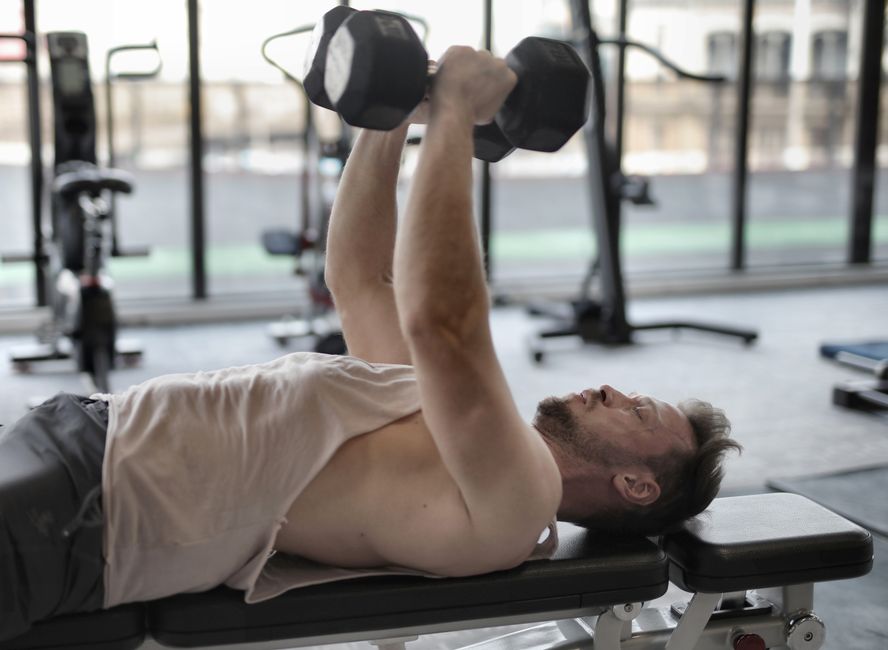
The difference between "a bit of movement" and an effective stimulus is routinely underestimated. Walking is good for many things. It is not a signal to preserve muscle. Nor is a handful of machine sets with no progression over months.
The load has to come close enough to your limit that the body sees a reason to keep the muscle. Two to three sessions a week covering the major movement patterns are enough for that.
The same stimulus loses its effect over weeks. Without documented progression in load, repetitions or quality, training becomes a habit without an effect.
Under sharply reduced appetite, protein intake is usually the first thing to fall, because meat, fish and legumes are filling. Protein therefore goes on the plate first, not last.
In an energy deficit the body recovers more slowly. More training volume does not compensate for that, it makes it worse. Sleep and rest days are part of the training here, not the opposite of it.
Strength is also a skill, not only a property. Anyone who owns the technique can create more stimulus with less volume, and that counts double when recovery is already limited. How to progress load sensibly is covered under progression, and what specifically changes with strength training after forty is in the overview on that.
I am sceptical of anything sold as a shortcut. I was sceptical of protein bars and vibration plates too, so consider me biased. It does not change the mechanism though: appetite regulation and body composition are two different jobs. A medication can do the first one. Not the second.

What happens after stopping
The extension of the STEP 1 trial looked at what happens when the medication is withdrawn. One year after stopping, participants in the semaglutide group had regained 11.6 percentage points of the weight they had lost. Of the original loss, a net 5.6 per cent remained. Part of the cardiometabolic improvement also drifted back towards baseline.
That carries an unpleasant consequence which is rarely discussed. If muscle was lost on the way down and mostly fat comes back on the way up, body composition shifts in the wrong direction with every cycle. The same weight as before, with less muscle inside it.
Which is exactly why the question of strength training is not an add-on to the therapy. It decides what condition the body is in once the medication stops.
Who it suits, and who it does not
I do not assess individual cases, that is not my role. But a few patterns can be named without attaching a diagnosis to anybody.
It can make sense where there is substantial obesity, where comorbidities are present, and where serious attempts through nutrition and exercise have not been enough over a longer period. That is also where the evidence behind the licensing sits.
I would be more reserved with people of normal weight chasing the last five kilos, with athletes in weight categories, with people who have a history of eating disorders, and with anyone obtaining the drug without medical supervision through questionable channels. That last point is not a moral argument but a safety one.
On one point I am unambiguous: anyone who treats the medication as a replacement for lifestyle rather than a tool beside it will be standing in the same place in two years, just with less muscle.
If you are considering a GLP-1 medication or already taking one, these are the six points that matter from a longevity perspective:
- Medical supervision from the start, including a review of existing conditions and other medication. No sourcing from the internet.
- Strength training from day one, not once strength noticeably drops. Two to three sessions a week with documented progression.
- Protein on the plate first. With reduced appetite it is the nutrient that disappears fastest.
- Limit the pace. Very rapid weight loss costs disproportionately more fat-free mass.
- Measure more than weight. Strength numbers, circumferences and, where available, a body-composition measurement say more than the scale. Alongside that, have the usual blood values tracked over time.
- An answer to the question of what happens after stopping, before you start. Not afterwards.
The conclusion from a coach's perspective is unspectacular. These medications are an effective tool for a clearly defined group, and they are not a miracle cure. They solve one part of the problem, namely energy intake. Everything that decides how capable you are in ten years still runs through training, nutrition and recovery. Where this topic sits in the wider picture is placed under longevity. And if you are looking for a training framework that works alongside such a therapy, you will find one in the Blueprint Digital.
How much muscle do you lose on GLP-1 medication?
The review Muscle matters in The Lancet Diabetes & Endocrinology puts the share of fat-free mass at 25 to 39 per cent of total weight lost, measured over 36 to 72 weeks. Fat-free mass includes water, connective tissue and bone mineral alongside muscle, so the figure is not a pure muscle number. According to the authors it still sits well above what is usual with non-pharmacological caloric restriction.
Can strength training prevent muscle loss on GLP-1?
Strength training is the most effective known lever for holding on to muscle in an energy deficit, because it signals to the body that this muscle is needed. Whether the loss can be prevented entirely or only substantially reduced is not yet settled for this class of medication. Either way it is low in side effects and worth doing independently of the drug.
What is the difference between the injection and the pill?
The mechanism is the same, the difference lies in absorption. The injection delivers the active substance under the skin weekly. The tablet contains the same substance but needs an absorption enhancer and a strict intake routine, because peptides are otherwise broken down in the stomach. There are also dual substances that act on the GIP receptor alongside the GLP-1 receptor and show stronger weight effects in trials.
Do you regain the weight after stopping?
In the extension of the STEP 1 trial, participants had regained 11.6 percentage points of the lost weight one year after stopping, leaving a net 5.6 per cent weight loss. Part of the cardiometabolic improvement also reversed. It becomes a problem when muscle was lost on the way down and mostly fat returns on the way up.
How much protein do I need during treatment?
I deliberately do not give a universal number here, because requirements and tolerance are individual and different rules apply with kidney disease. The practical rule is this: protein goes on the plate first, before the appetite is used up. The specific amount belongs in the hands of a doctor or a qualified nutrition professional.
Do these medications make sense for healthy people with mild excess weight?
The evidence for that does not exist. The large trials were run in people with substantial obesity and, in part, pre-existing cardiovascular disease. Transferring the benefit shown there onto healthy people a few kilos over is a step the data do not support. The decision rests with the treating physician in any case.
Scientific sources
- Wilding JPH, Batterham RL, Calanna S et al. Once-Weekly Semaglutide in Adults with Overweight or Obesity. New England Journal of Medicine. 2021;384(11):989–1002. PMID 33567185. doi.org/10.1056/NEJMoa2032183 — weight effect over 68 weeks (STEP 1).
- Jastreboff AM, Aronne LJ, Ahmad NN et al. Tirzepatide Once Weekly for the Treatment of Obesity. New England Journal of Medicine. 2022;387(3):205–216. PMID 35658024. doi.org/10.1056/NEJMoa2206038 — dual GLP-1/GIP agonist (SURMOUNT-1).
- Lincoff AM, Brown-Frandsen K, Colhoun HM et al. Semaglutide and Cardiovascular Outcomes in Obesity without Diabetes. New England Journal of Medicine. 2023;389(24):2221–2232. PMID 37952131. doi.org/10.1056/NEJMoa2307563 — cardiovascular endpoints (SELECT).
- Wilding JPH, Batterham RL, Davies M et al. Weight regain and cardiometabolic effects after withdrawal of semaglutide: The STEP 1 trial extension. Diabetes, Obesity and Metabolism. 2022;24(8):1553–1564. PMID 35441470. doi.org/10.1111/dom.14725 — weight trajectory after withdrawal.
- Prado CM, Phillips SM, Gonzalez MC, Heymsfield SB. Muscle matters: the effects of medically induced weight loss on skeletal muscle. The Lancet Diabetes & Endocrinology. 2024;12(11):785–787. doi.org/10.1016/S2213-8587(24)00272-9 — share of fat-free mass in weight lost.
- Conte C, Hall KD, Klein S. Is Weight Loss-Induced Muscle Mass Loss Clinically Relevant? JAMA. 2024;332(1):9–10. PMID 38829659. doi.org/10.1001/jama.2024.6586 — counter-position on the clinical relevance of muscle loss.
This article is for general information and orientation. It does not replace medical advice, diagnosis or treatment, and it is not a recommendation for or against any particular medication. The author is a trainer and coach, not a physician. Prescription, dosage, suitability and monitoring are decided exclusively by medical professionals. Prescription medication should never be obtained through unofficial channels.